Permit Trends Shaping 2026 Compliance: Digital Credentials, Mileage Taxes, and OS/OW Rule Changes
January 16, 2026
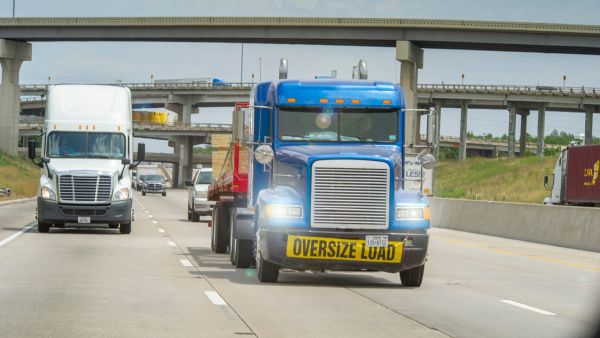
As we roll into 2026, permit compliance is more complex than ever. Whether you’re moving freight across state lines or handling specialized loads, three major trends from 2025 will shape how you manage trip permits under the International Registration Plan (IRP), fuel permits under the International Fuel Tax Program (IFTA), oversize/overweight (OS/OW) permits, and specialty permits this year.
1. Digital credentials, but don’t ditch paper yet
Electronic cab cards and permits gained traction in 2025, and many jurisdictions now accept digital copies. However, acceptance isn’t universal. Some states still require paper for OS/OW and specialty permits.
For instance, in many states digital cab cards are accepted for IRP and IFTA, but paper OS/OW permits are still mandatory in most places. Before departure, check your route and prepare both formats as needed. Best practice? Carry both:
- PDFs stored offline, and
- printed copies.
And remember, IFTA decals must remain affixed to the vehicle.
2. Mileage-based taxes are expanding
States like Connecticut, Kentucky, New Mexico, Oregon, and New York continue to enforce weight-mile and highway use taxes, separate from IFTA. Occasional trips may require single-trip tax permits, while regular routes demand permanent accounts. Expect more states to explore road usage charges as fuel tax revenue declines, so route planning must include these extra credentials.
Take a proactive approach to prevent unexpected fees and delays. Regularly review state DOT websites or reliable industry sources for updates on mileage-based tax requirements, as new pilot programs may be announced mid-year.
3. OS/OW rules are evolving
Oversize/overweight permitting saw significant updates in 2025. Movement windows, escort thresholds, and weekend/night travel allowances shifted in several states. At the same time, agencies are pushing for automation and harmonization, meaning more permits can be issued instantly, but thresholds still vary widely. Always check state-specific rules before dispatch.
Stay on top of state updates to OS/OW rule changes and automation rollouts. Staying informed will help dispatchers adjust plans quickly and avoid roadside delays.
What this means for transporters
- Plan ahead: Verify which states require paper permits and which allow digital.
- Screen routes: Identify mileage-tax states early and secure the right credentials.
- Stay current: Monitor OS/OW rule changes and automation capabilities to avoid delays.
Compliance isn’t just about avoiding fines — it’s about keeping freight moving efficiently. With these trends in mind, your permit strategy for 2026 should combine digital convenience, state-specific awareness, and proactive planning.
Need Permits? J. J. Keller can help!
We make ordering your temporary permits easier so your trucks can get on the road faster. Our state-direct agreements speed up the process and keep turnaround times fast.In fact, during standard business hours, you can get your fuel or trip permit in as little as an hour and oversize/overweight permit in about three hours.
Our trip permit advisers are available 24/7 to assist you. Make one call to J. J. Keller to keep your trucks and trips in compliance!