Summer Travel Restrictions: How They Affect Oversize Loads
June 3, 2026
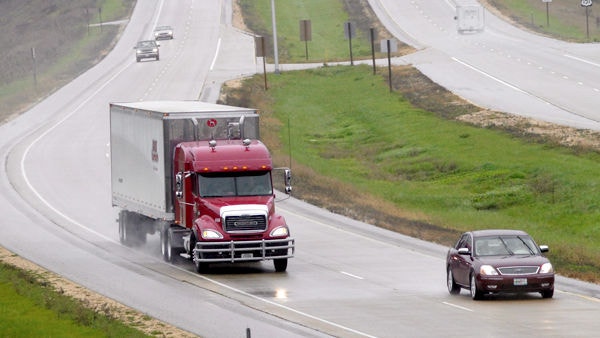
States restrict oversize loads to manage traffic flow year-round, but many states have stricter limitations regarding oversize/overweight (OS/OW) loads during the summer months. You can typically find these limitations right on the OS/OW permits, and they may include exact travel windows, escort requirements, approved routes only, and/or any other state-specific restrictions.
Why do states impose summer travel restrictions?
These limitations are implemented for three main reasons:
1. Road protection — Roads, especially those made of asphalt, soften in the heat, making them less able to handle heavy or slow-moving oversize loads.
2. Increased traffic — With the warmer weather, many people are spending more time outside and, on the road as they head “up north” or to the beach.
3. Visibility concerns — Oversize loads require more space, move slower, and often need escorts. While this is true year-round, it poses a greater concern when traffic is heavier.
What are some common limitations?
Some of the common restrictions states implement to protect their roadways and the motoring public include:
· Restricting movement during the hottest parts of the day,
· Limiting maximum allowable weights on certain routes,
· Delaying or suspending permits during extreme heat events,
· Prohibiting nighttime travel unless specifically permitted,
· Requiring stricter escort or pilot car rules, and
· Limiting weekend or Sunday travel.
What “summer restrictions” look like in practice.
While every state differs, most summer travel restrictions show up in one or more of these forms:
1. Restricted travel times — such as only permitting OS/OW loads to travel between sunrise and sunset to prioritize visibility, or the opposite and forbidding travel during peak heat hours to protect the integrity of their roads.
2. Holiday and weekend shutdowns — Some states won’t approve permits for OS/OW movements over a holiday weekend when they expect increased traffic.
3. Route-specific limitations — They may not permit OS/OW loads to travel on highways that are vulnerable to heat-related damage.
4. Construction bans — States may implement temporary bans on certain roadways during roadwork season, which typically peaks during the summer months.
Why it matters to carriers.
These restrictions may change your ability to haul loads as planned. Do research early to confirm you can move loads during your expected timeline and along the planned routes. By planning ahead, you can modify accordingly if there are restrictions in place during that time.
Permits are not just permission to haul an OS/OW load, they are a set of operating conditions carriers must follow in order to complete those movements legally and safely. Even with a valid permit, movement windows may be shortened or shifted earlier in the day to avoid midday heat. Be sure to read the full permit to ensure you are fully compliant on every trip.
Need Permits? J. J. Keller can help!
We make ordering your temporary permits easier so your trucks can get on the road faster. Our state-direct agreements speed up the process and keep turnaround times fast.In fact, during standard business hours, you can get your fuel or trip permit in as little as an hour and oversize/overweight permit in about three hours.
Our trip permit advisers are available 24/7 to assist you. Make one call to J. J. Keller to keep your trucks and trips in compliance!