Understanding Permit Lead Times: Why Planning Ahead Pays Off
July 16, 2026
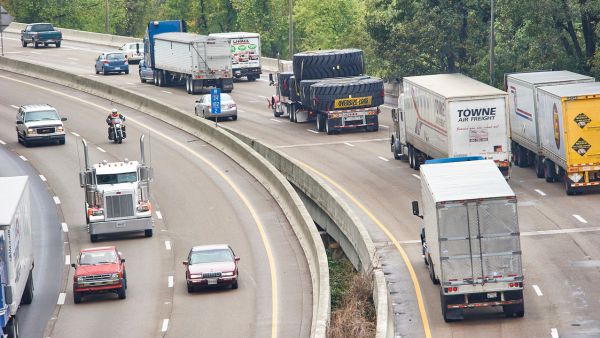
Permits are a necessary compliance step whenever you’re going to be operating within a jurisdiction not covered by your IFTA/IRP registrations or making oversize/overweight moves. Each permit takes a varying length of time to obtain – ranging from seconds to days, or sometimes even longer. Build time for obtaining permits into your dispatch and planning process to help prevent avoidable delays, added costs, and compliance risks.
Permits are not “one size fits all.”
Some permits can be obtained very quickly, with instant approval being common for trip and fuel permits. Conversely, OS/OW permits can take longer because they may require route review, load details, axle spacing, dimensions, weight, and other trip-specific information before approval.
The cost associated with permits range greatly from state to state, permit to permit, and can even vary based on load and trip specific details: such as length of time the permit is needed for, or the size and weight of the load. Some permits will be a flat-fee for a single day trip, while others may be calculated as an amount per mile or weight.
When planning ahead matters most.
When you are operating solely intrastate, you only need a permit for that state. Once you begin crossing state lines, you will need a permit for each state in which you operate. If you won’t be operating in a state permanently, then you can get a temporary permit, whereas carriers who operate in multiple states regularly will need permanent permits in each state they operate in. Planning ahead is especially important when a move
- Crosses multiple jurisdictions,
- Involves oversize or overweight freight, and/or
- Requires travel on a specific route.
The cost of waiting too long
Waiting until the last minute can lead to obstacles that impede your ability to operate as planned. If an application requires additional information, a state office is closed, or a route needs to be adjusted, you may need to pause operations until it is sorted. This can lead to missed delivery windows, driver downtime, added fuel and lodging costs, unhappy customers, and pressure to make risky decisions.
The ROI of planning ahead.
Permit planning is not just about paperwork. It supports safer routing, more accurate dispatching, better customer communication, and stronger compliance records. For oversize/overweight moves, advance planning can also help identify whether secondary permits—such as city, county, or local permits—may be required along the route.
For carriers managing multiple trucks, routes, and customers, building permit lead times into the planning process can improve reliability. Instead of reacting to last-minute obstacles, fleets can make informed decisions about routing, equipment, delivery timing, and whether permanent credentials may be more efficient than repeated temporary permits.
Need Permits? J. J. Keller can help!
We make ordering your temporary permits easier so your trucks can get on the road faster. Our state-direct agreements speed up the process and keep turnaround times fast.In fact, during standard business hours, you can get your fuel or trip permit in as little as an hour and oversize/overweight permit in about three hours.
Our trip permit advisers are available 24/7 to assist you. Make one call to J. J. Keller to keep your trucks and trips in compliance!